


Two ways to worry about AI: Alan Noble begins, “If you’ve followed some of the news in AI recently, you might be feeling scared. Concerning stories have been coming from two leading AI companies this summer.”
What gratitude was never meant to do: Tracy Harper says, “We run into problems with gratitude, though, when we use it as a countermeasure to avoid the thoughts and emotions that disappointment brings to the surface. God was prompting me to sit with the deeper question of why this mattered so much to me, and I couldn’t use my list of blessings to avoid going there with him.”
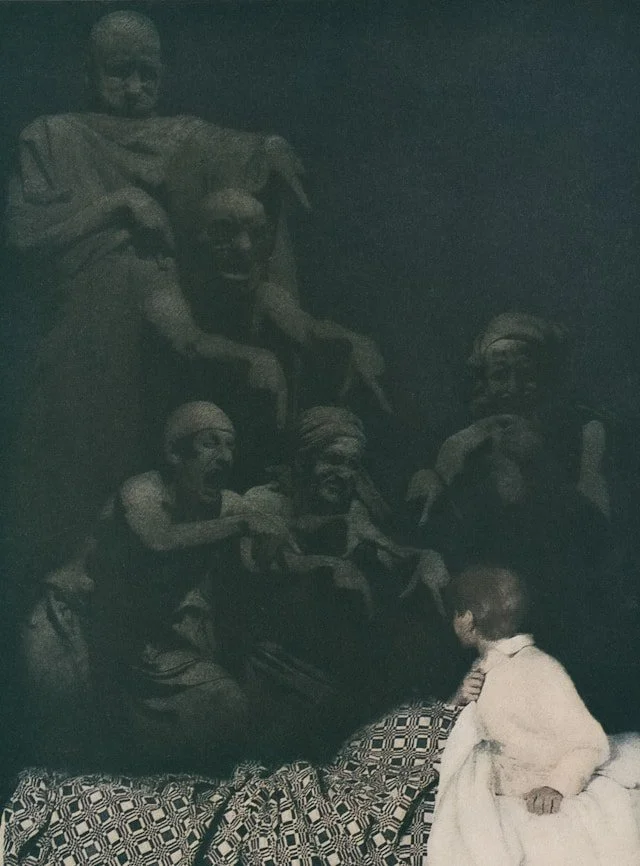
The Embarrassing Cry of Faith
The year was 1990. II was eleven years old, and skateboarding was HOT. Tony Hawk was soaring and Rodney Mullen was innovating street skating, popularizing tricks like the ollie. I watched in awe as kids jumped up and then slid down handrails (a grind). I dreamed of doing so myself.
At the top of my Christmas list was, of course, a skateboard.
I counted down the days until I would unwrap my rad new board. I bolted up on Christmas morning, raced down to the tree, and, to my dismay did not locate anything that looked like a skateboard.
This Week's Recommendations
Faithfulness in an inside-out world: This is a good one from Andrew Noble, In today’s age, people are to find out what’s inside first, and then they are to express it outward. Charles Taylor describes this as “a culture of authenticity.”
Fight brain rot by reading books: This one is written to Gen Z, but applies to everyone. Luke Simon writes, “What surprised me most was how different reading was from scrolling. My phone had trained me to skim, to consume quickly, and to expect instant gratification. Books demanded something deeper: focus, patience, and the willingness to sit with ideas that don’t immediately resolve.”
This Week's Recommendations
If I could change anything about the modern church: I won’t spoil Tim Challies’s recommendation, but it will likely surprise you.
How to make friends in college (or anywhere): Sarah Eekhoff Zylstra explains, “Between 2003 and 2023, in-person socializing among those aged 15 to 24 dropped by more than 35 percent, Thompson reported. Younger millennials and Gen Z are less likely than previous generations were to go out without their parents, go on dates, get their driver’s licenses, try alcohol, and work for pay.”
This Week's Recommendations
My top ten theology stories of 2024: Collin Hansen reports. #2 is encouraging, “Gen Z has borne the consequences of pandemic closures and therapy influencers, so it makes sense they’d also benefit from the church’s efforts to foster resilience through catechesis and spiritual formation.”
Hunter Biden and a father’s pardon: Stephen Steele reflects on President Biden’s pardon to make a spiritual point.
What Do Teens Believe?
Are you encouraged or discouraged about teens? If you’re a teen, what is your perception of your peers? Are you hopeful? Or pessimistic? Not long ago, One Hope released a massive global study on the state of teens worldwide. In the report, we find reasons to be encouraged and causes for concern.
Spending time reflecting on what teens believe and do ought to help shape the way we pray for them and relate to them. I’ll process five sections of the report: Christian practice, struggles, social media, sexuality, and the meaning of life in teens’ lives and then draw some conclusions.