



Parenting

Destructive Play

Destructive Play

Any parent knows that before a child learns to build, he learns to tear down. Our children are two years apart. I still remember our eldest, Camille, running into our room with tears when she was four years old. Her little brother, Soren, had just knocked down her latest block creation.

Psychologists describe this stage as destructive play. Before toddlers can construct something with intention, they are learning cause and effect, physics, spatial reasoning, and fine motor control. Every parent remembers the stage when their toddler begins throwing the spoon, fork, or bowl onto the floor, watching with fascination as gravity does its work.

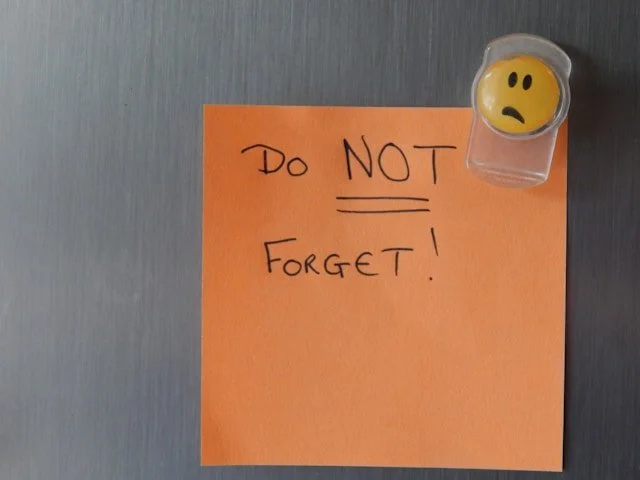
Remember Not

Remember Not

As we wrapped up our five-day jaunt in a cozy extended-stay just inside Scottsdale suburbia I was on the verge of mental and physical collapse, whereas the boys, as the Energizer Bunny proffered, just kept going and going and going. I couldn't keep up. In fact I didn't. Their enthusiasm met my exhaustion. I raised my voice at the boys, and in an instant, their elation turned to fear and shame.  

Scientists argue that our brains have adopted a defense mechanism called the 'negativity bias' to help us avoid danger or avoid repeating past blunders.

This Week's Recommendations

This Week's Recommendations
  1. Sitting down in victory: Beth Ferguson says, “When Jesus sat down at the right hand of the Father, something decisive happened not only in heaven, but for us. When we lose sight of that throne, discipleship begins to feel heavier than it was ever meant to be.”

  2. Knowing yourself is not the same thing as changing yourself: The post begins, “Here’s a controversial fact: Despite their popularity as leadership development tools, personality assessments fail to make leaders better.”

The De-Centering Joy of Parenting

The De-Centering Joy of Parenting

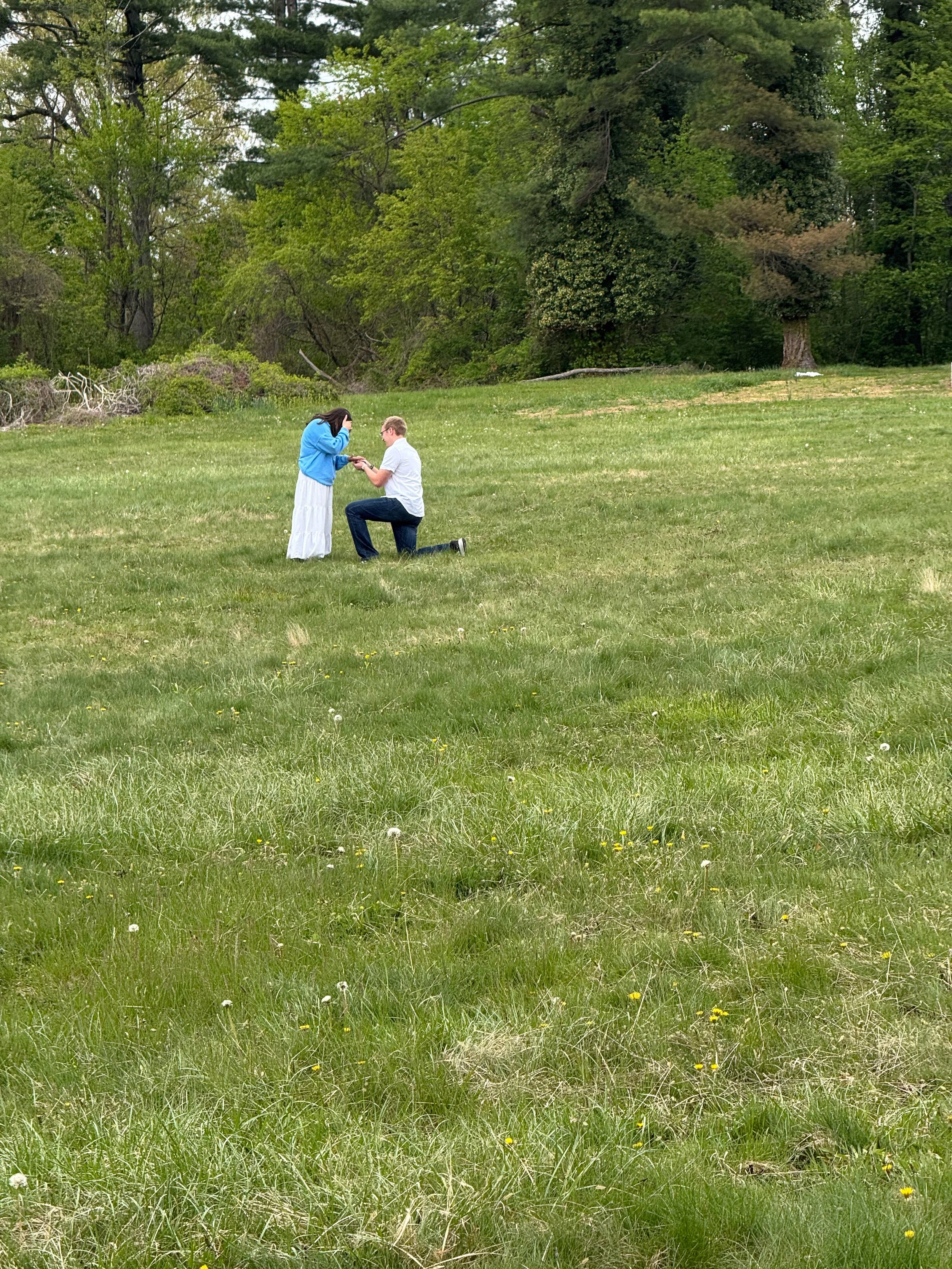
Back in our children’s hometown of Princeton, New Jersey, our son Soren and his girlfriend, Viki, walked hand in hand down streets he had not visited in a decade. When they first started dating, he promised her he would take her there one day. On this rainy afternoon, that promise was fulfilled.

We sipped local coffee… as we wandered through familiar streets, greeted by linen-white dogwood blossoms. We shared memories as we passed childhood homes, old landmarks, and favorite gelato shops... We pulled over at the Princeton Battlefield and let Soren and Viki walk ahead as we hung back.  

This Week's Recommendations

This Week's Recommendations
  1. When fear dresses up like help: Loads of parenting wisdom packed into this post from Stacy MacLaren, “He was not only trying to become his own person. He was also trying to do that without hurting me. And at some point, I think he realized that in order to do the next right thing, he was going to hurt me no matter what.”

  2. Stop keeping score: Andrew Noble says, “Envy is at the root of modern comparison games. When someone does a good moral act toward us, such as paying our bill, driving our kids, or folding our laundry, we should receive and enjoy their good gifts.

This Week's Recommendations

This Week's Recommendations
  1. Blessing the voyage: launching them without losing them: My friend and colleague Stacy MacLaren with a timely piece, “We don’t raise our children to keep them. We raise them to release them.”

  2. An unremarkable life: Jonny Pollock says, “The modern mantra appears simple. Be remarkable. Whether through career achievements, our social media feeds, or our personal brands (don’t roll your eyes, we all have them!), the pressure is relentless.”

This Week's Recommendations

This Week's Recommendations
  1. Is your fatherhood like a Rubik’s Cube? This equally pertains to moms, “I call this The Rubik’s Cube Effect. One side starts to come together, but in the very act of bringing order there, something else is thrown out of place.”

  2. The paradox of the brightening path: Trevin Wax begins, “There’s a paradox you’ll encounter the longer you walk with Jesus. The more you experience the light of his love, the more clearly you see the remaining spots and stains in your life. Progress seems lacking. Stumbles continue to mark your journey. The more you know the Lord’s love for you, the more you feel your unworthiness and your dependence on his grace.”

This Week's Recommendations

This Week's Recommendations
  1. The case against social media: Jon Haidt and Zack Rausch say, “Across surveys in multiple countries, many young people report that social media has harmed them directly and indirectly. They describe widespread experiences of cyberbullyingsexual exploitationsleep disruptionlower confidence, and worse mental health. They also express strikingly high levels of regret toward the major platforms they have used for years. In a Harris Poll survey of members of Gen Z, nearly half reported that they wish that TikTok, X (Twitter), and Snapchat were never invented — despite using those platforms for several hours a day.”

  2. Six selfish reasons to have kids: Kevin Kelly says, “Now after only two generations

This Week's Recommendations

This Week's Recommendations
  1. The birds and the bees, baby and me: Karen Swallow Prior says, “Childlessness can be a calling in the same way that being a parent is a calling, or as marriage or celibacy can be callings. Not to be called to something is inherently to be called to something else, even if that something else is elusive for a while.”

  2. Sabbath is more than self-care: Megan Hill says, “The Sabbath unplugs us from our daily work. But simply unplugging is only half the story. On the Sabbath, the Lord frees us from work and frees us unto worship.”

No Contact: Relationships in a Cancel Culture World

No Contact: Relationships in a Cancel Culture World

“She’s gaslighting me.”

“He’s a narcissist.”

I regularly hear couples lob these accusations at one another as they sit across from me in my office. We live in a therapeutic culture, where psychologized language has permeated the way we talk about relationships. Categories and lingo once limited to clinical settings have become everyday vocabulary for explaining conflict.

Last year, Samuel James wrote an excellent post titled If You Ask AI for Marriage Advice, It’ll Probably Tell You to Get Divorced. The article is as good as its title suggests. In it, James shares a striking graph that tracks 15 years of relationship advice on Reddit.

‍ ‍