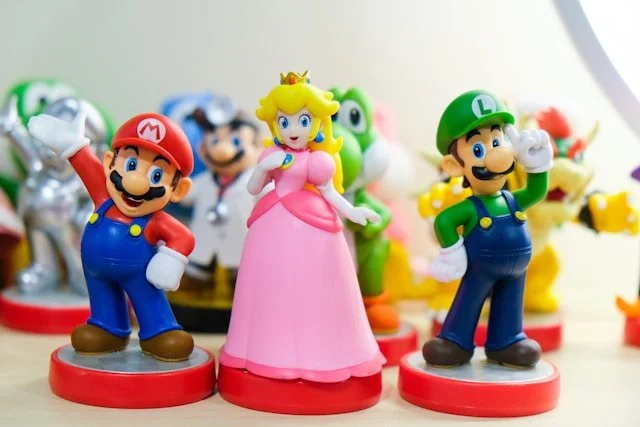
In 1985, Nintendo released Super Mario Bros. In the original video game you could choose to play one of the two plumbing brothers: Mario or Luigi. Short and red, tall and green: which would you be? In subsequent editions of the game, you could play a number of other characters including Yoshi or Princess Peach as your character. Choosing one’s character perfectly suited our generation, a generation that was told that we could do anything and be anyone.
We live in a world of choice and that now includes much of what we consider identity. From vocation to gender, the options appear nearly endless to the contemporary westerner.
In 2009, Nobel Prize winning economist George Akerlof and Rachel Kranton published an article “Economics and Identity” that revealed the power of one’s concept of oneself in the market. Akerlof and Kranton argue that, economically speaking, one’s choice of identity is one of the most powerful anchoring points for our financial choices. Consider whether or not you are a sports fan and how central that is to your identity. If you choose to make a social commitment to the Arizona Wildcats, for instance, it won’t be surprising that you will receive many Wildcat themed gifts, you will make choices with your time and money to invest in the Wildcats. Similarly, consider whether you view yourself as more of an urban or country. Such a choice will likely impact where you choose to purchase a home, the car you drive, and the clothes you wear.
Who am I? We choose our identity by curating our choice of career, clothing, music, and gender.
The freedom of choice as it relates to our identity seems like it ought to give us the happiness we crave. And yet, we are in a mental health crisis. Psychologists have pointed out that having the freedom of choice does not increase happiness. In fact, choice creates anxiety.
What if we would be happier if we trusted who our Creator made us to be instead of curating our own identity? What if the identities God has given us were meant to give us purpose and peace?
My wife, Angel, and I wrote our book Trading Faces to help navigate this crisis we see so many wrestling with. We latch ourselves to secondary identities when God has made us for something more profound. We build our identity around our vocation, our motherhood, our achievements, or our personality type when God has purposed us to be his Son, his sheep, his Bride.
The true identities that Christ has made us for are a rich tapestry that gives us meaning in our relationship with God and others. Our true identities give us a clarity of purpose and a comfort in how God sees us and delights in us.
As an Amazon affiliate, I may qualify for commission from qualifying purchases.
You Might Also Appreciate:
Photo by Ryan Quintal on Unsplash