




Friendship

Friendship, Courage, and the Making of a Hero: Reflections on Project Hail Mary

Friendship, Courage, and the Making of a Hero: Reflections on Project Hail Mary

Every once in a while, a movie surprises you: not just with spectacle or clever twists, but with heart. Project Hail Mary did that for me. Adapted from Andy Weir’s highly acclaimed novel, Project Hail Mary is one of the most enjoyable movies I’ve seen in a long time: funny, imaginative, and genuinely moving. What lingered with me most after the credits rolled wasn’t the wow factor of the production (although all $248 million of its production costs make the movie visually stunning). It was the friendship.

That might sound strange for a movie about saving the world from an extinction-level threat.

Deepening Our Friendships

Deepening Our Friendships

As I headed into a pastors’ lunch one afternoon, an older pastor I admired greeted me with a big smile and asked, “Can we chat afterward?” I wasn’t sure what Glen wanted to ask me. After the lunch concluded, we walked out to the patio together. Glen got right to the point. “Would you be interested in being part of a covenant group I’m forming?” He explained that he was inviting four other pastors to join the group. We would meet once a month and go on two retreats each year.

It was a significant commitment, but the answer was an easy yes.

This Week's Recommendations

This Week's Recommendations

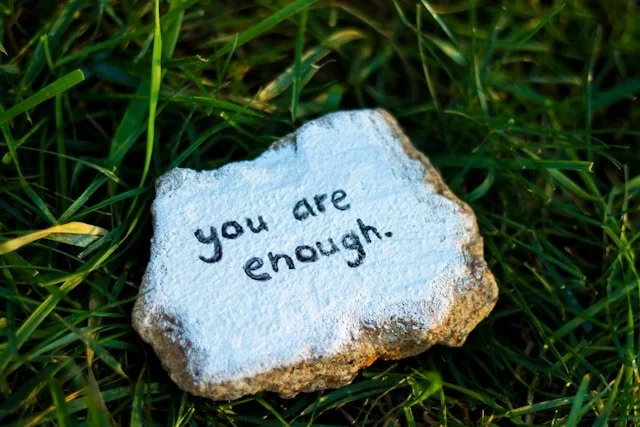
The reality behind our culture’s favorite mantra: Matthew McCullough begins, “I don’t know where it came from, but now it seems to be everywhere. I hear it on podcasts and TV shows. I’ve seen it on T-shirts and social media graphics. A quick search for it on Amazon brings up hundreds of results, ranging from books for kids and adults to silver charm bracelets to hoodies of many colors to embroidered makeup cases to wall hangings and throw pillows and stickers to place on your rearview mirror. I’m talking about the simple, uplifting mantra for our times: ‘You Are Enough.’”

Marshmallows and Friends

Marshmallows and Friends

Most have heard of the famous Stanford marshmallow experiment. In 1970, psychologist Walter Mischel invited kids into his lab. A child was offered a marshmallow that they could eat, or, if they waited until the researcher returned, they were given a second marshmallow. About one-third of the kids waited approximately fifteen minutes for the additional reward.

The study then tracked those children over time and found that children who waited for the second reward tended to have higher SAT scores and lower body mass indexes. Later tests have challenged those outcomes, but it hasn’t stopped parents everywhere from running the experiment on their kids, often with humorous results.