


Few gifts are more meaningful than a thoughtfully chosen book. It’s a gift that can offer hope, wisdom, and even fun. As you consider your Christmas gift, here are a few books you might want to consider for loved ones.
Suffer and do not sin: Andrea Mathews says, “Our suffering has stretched us. It has caused us to cling to Christ. It has brought us a deeper awareness of our dependency on God and dismantled the illusion of control we once thought we had over our lives. But suffering also has brought a particular array of temptations to sin, and I have often succumbed.
How does wonder lead us to worship and wisdom? Eric Lynum says, “To wonder, in the biblical sense, is to think about God doing what only God can do. We sense the magnitude of his creativity as we stand beneath a canopy of trees,
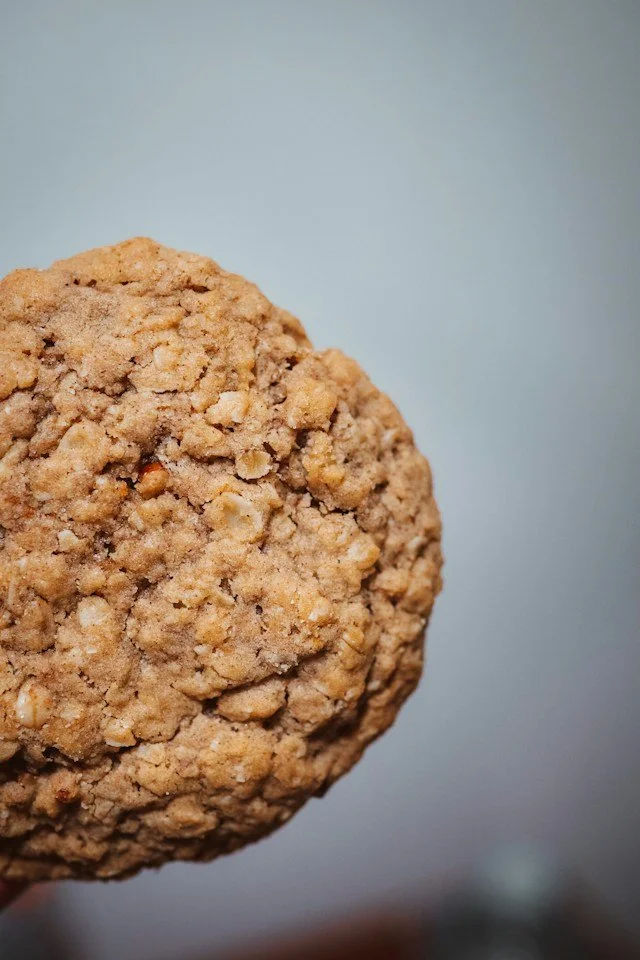
Trigger warning: I love oatmeal cookies. I don’t just put up with them. I like the average oatmeal cookie better than the average chocolate chip cookie.
If I haven’t lost you yet, I’ll admit that beyond loving the taste and texture of oatmeal cookies, I’ll confess there is also the ancillary benefit of feeling healthy when you eat oatmeal cookies. I mean, you’ve got your whole grains, your dried fruit, your nuts. They’re practically health food, right?
A quick search on the internet proves otherwise: one Costco oatmeal cookie clocks in at 230 calories, 9 grams of fat, and 20 grams of carbs.
It took me nine years after the terrible incident to recognize that God was present. At the time, the experience felt more like an attack from the enemy than a gift from God. But as I processed the event with others who had been there, a lightbulb went on. When I began to see the good fruit that had come from that nightmare, I recognized God at work in ways I had previously missed.
Have you ever missed God at work?
The disciples were certainly not immune to this. Jesus was ministering in Galilee when a great crowd followed him into a desolate place.
How to have a soft heart: Katie Laitkep says, “When the season you expected to be brief stretches from months to years, layered with added pressures in other areas of your life, the weight of it all doesn’t just exhaust your body; it changes how you see the world. You grow more guarded. You lower your hopes, expecting disappointment and attempting to protect yourself from anyone or anything that could cause more pain, whether it’s people, circumstances, or God Himself.”
What is wrong with the world? Paul David Tripp answers, “When we are looking for answers to the world’s problems, we can begin in an unlikely place: the doctrine of sin.
“Pastor, I was really touched when you said…”
One of my favorite parts of pastoral ministry is hearing how Scripture, sermons, Bible studies, and blog posts are shaping the lives of people in the congregation.
A common occurrence in these conversations is when someone tells me I said something in a sermon that I did not actually say. What happened? Usually, it’s not because the person was inattentive.
Sign up to get The Bee Hive delivered to your inbox and receive a free 50 Books That Changed My Life (and Might Change Yours, Too) download!